


The Power of Fiber Lasers
Redefining Metal Fabrication Efficiency
In modern manufacturing, staying ahead means adopting technology that maximizes both speed and precision. Fiber laser cutting machines have emerged as the gold standard for metal fabrication, rapidly replacing traditional CO2 lasers and conventional cutting methods.
By using a solid-state laser source generated through optical fibers, these machines deliver an incredibly concentrated beam. This translates into unparalleled cutting capabilities, allowing fabrication shops to process materials faster while maintaining flawless edge quality.
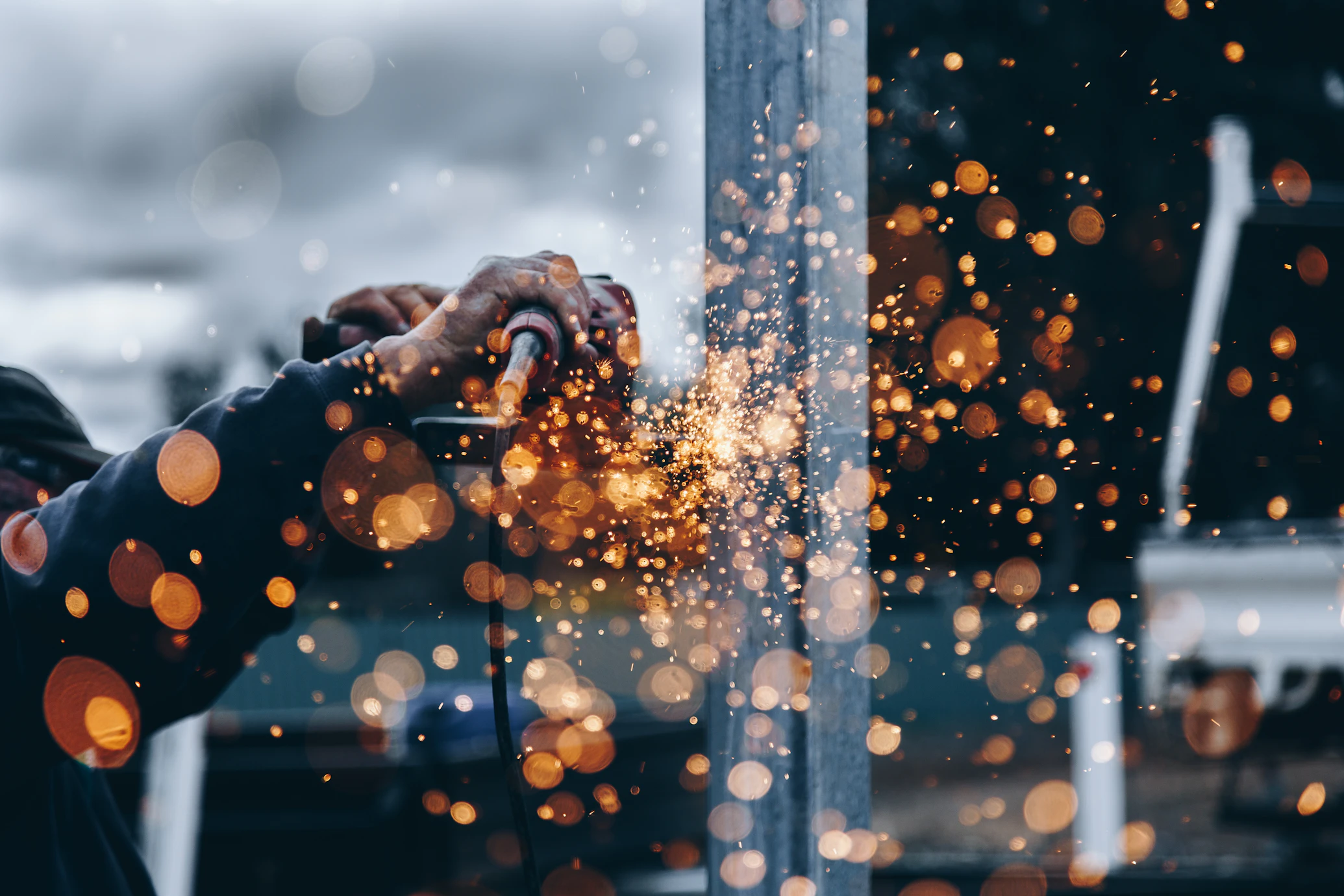
Speed Meets Precision
When working with thin to medium-thickness metals like carbon steel, stainless steel, and aluminum, fiber lasers offer cutting speeds that are up to three times faster than older technologies. This drastic reduction in processing time directly boosts daily production capacity.
Moreover, the ultra-fine focal diameter ensures clean, burr-free cuts. Complex geometries and intricate patterns can be executed with microscopic accuracy, completely eliminating the need for secondary finishing processes and saving valuable labor hours.

Lower Operational Costs
Beyond performance, the true advantage of a fiber laser lies in its economic benefits. These machines consume significantly less electrical power and require virtually zero optical maintenance. There are no mirrors to align or expensive laser gases to replace.
Ultimately, upgrading to fiber laser cutting equipment is not just an operational improvement; it is a strategic investment that lowers cost-per-part, increases margins, and prepares your facility for the high demands of tomorrow's manufacturing landscape.
